

Home / Services / PPC and Google Ads
A PPC Agency That Manages Google Ads to Cost per Customer
ROAS Scalers is a PPC agency that manages Google Ads around the full path from search to sale: the searches you pay for, the pages people land on, the leads that come in, and which of them become customers. We judge every campaign by what a customer costs you, not by what a click costs.
- Paid for customers, not clicks. Every campaign held to cost per customer
- Tracking fixed first, including calls and offline sales
- Your account, your data. Everything stays in your name
Get your free Google Ads audit
We review your campaigns, search terms, tracking and landing pages, then walk you through what we'd fix first. You keep the findings either way.
No pitch deck. One call, plain English.
What does a PPC agency actually do for your business?
A PPC agency plans, builds and runs your paid search campaigns, then keeps adjusting them so each dollar buys the searches most likely to turn into customers. Good PPC management services cover the keywords, the ads, the bidding, the tracking and the landing pages, because a weak link in any one of them wastes the rest.
The day-to-day work is less glamorous than it sounds. It is reading search term reports, adding negative keywords, testing ad copy, checking that conversions are firing, and moving budget from campaigns that produce form fills to campaigns that produce sales.
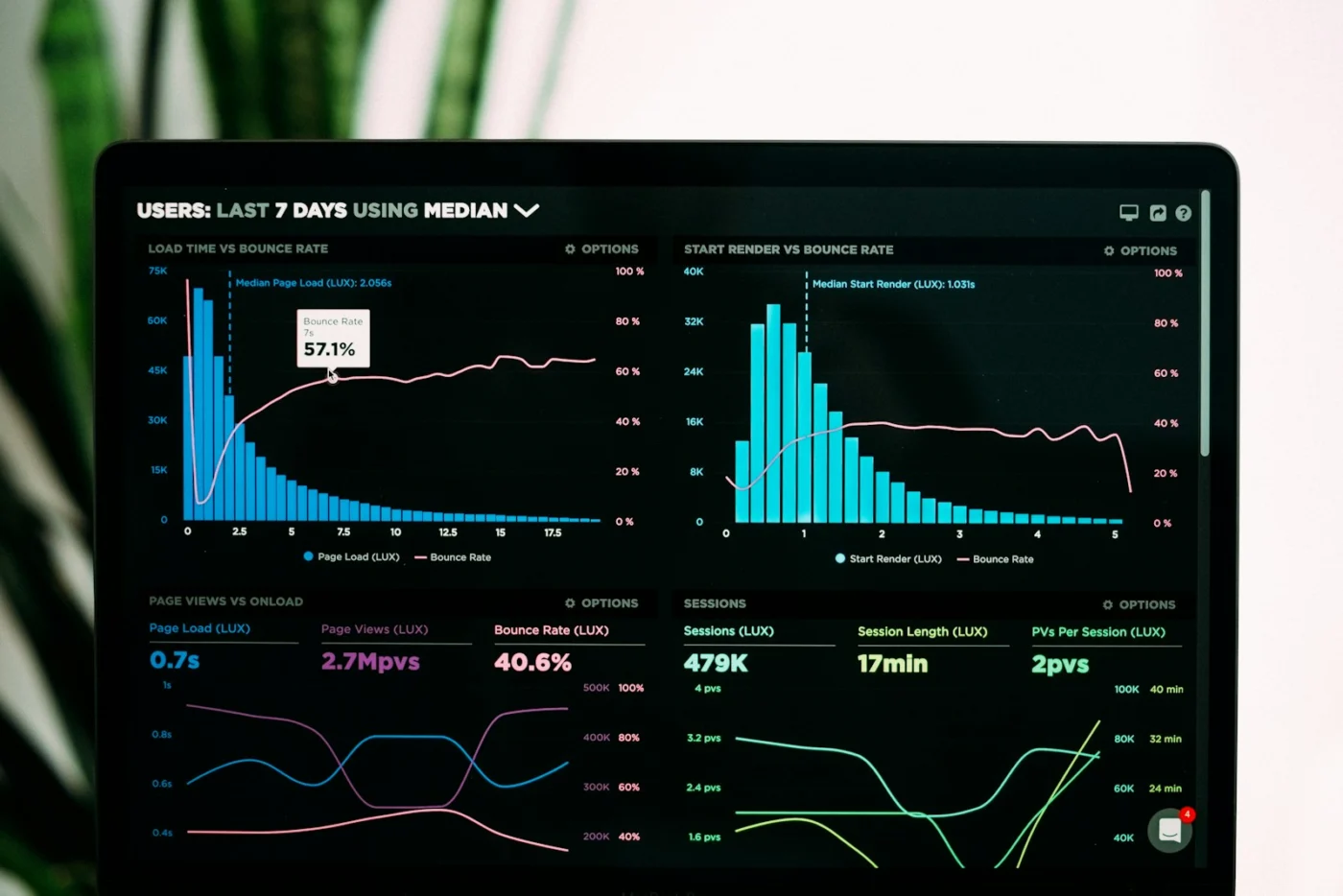 Measured to the sale, not the click
Why do Google Ads accounts waste so much budget?
Most wasted spend comes from three places: paying for searches that were never going to buy, counting every lead as equal, and tracking that stops at the form. Fix those three and most accounts improve before a single new campaign is built.
You're paying for the wrong searches.
Loose keywords and broad match pull in job seekers, DIY researchers and people looking for something you don't sell.
Every lead counts the same.
When a form fill and a booked job are both "conversions", the account learns to chase volume instead of value.
Tracking stops at the form.
Missing calls, duplicate tags and no offline sales mean the account learns from bad data and repeats its mistakes at scale.
How does Google decide who you pay to reach?
Google's Smart Bidding sets a bid for every single auction, using signals about the person searching to predict whether they will convert. Google describes these as strategies that optimize for conversions or conversion value in each and every auction, which means the bidding is only as good as what you tell it a conversion is.
That is why a Google Ads agency has to start with measurement. If the account counts a newsletter signup the same as a signed contract, Smart Bidding will happily find you more newsletter signups. Importing what happens after the click lets you measure what happens in the offline world after an ad click or call, so the bidding learns which searches actually produce revenue.
What the bidding learns from
Same budget, same keywords. The only difference is the signal.
Not sure what your account is optimizing for?
The free audit shows you in one call: which conversions the bidding is chasing, and whether they match what makes you money.
What does our Google Ads management include?
Our Google Ads management covers the whole account, from structure and keywords through bidding, tracking and reporting. Every part is set up against the same number: your cost per customer.
- Account auditBefore we change anything
- Keyword researchBy intent and value, not volume alone
- Campaign structureSplit by service, margin and intent
- Ad copy and testingResponsive search ads and assets
- Search terms and negativesWorked through every week
- RemarketingWhere it pays for itself
- Conversion trackingIncluding calls and offline sales
- Bidding and budgetsSet from real conversion data
- Landing page recommendationsFor every campaign
- One clear reportWhich campaigns produced customers
 Worked on every week
Should you use Performance Max?
Use Performance Max when your tracking is reliable, your conversion goals reflect real value, and you have the creative and feed to support it. Without those, it spends across Google's inventory learning from the wrong signal.
Google describes Performance Max as a campaign type that gives you access to all of your Google Ads inventory from a single campaign, designed to complement keyword-based Search campaigns rather than replace them.
How we run it: alongside Search, with brand and core search terms protected, so Performance Max finds new customers rather than taking credit for the ones already searching for you by name.
 One call to walk through it
What happens in a Google Ads audit?
A Google Ads audit reviews your account structure, search terms, conversion tracking, bidding and landing pages, then shows you where spend is producing customers and where it is leaking. Ours is free, takes one call to walk through, and you keep the findings whether or not you hire us.
- Which searches are you paying for that never convert?
- Is every conversion in the account worth the same to your business?
- Is tracking double-counting, or missing calls and offline sales?
- Which campaigns are capped while weaker ones spend freely?
Should you hire a PPC agency, a consultant, or do it in-house?
It depends on how much you spend, how complex the account is, and whether anyone in-house has time to work on it every week. Each option can work; they fail in different ways.
| Option | Works best when | Watch for |
|---|---|---|
| In-house | You have a dedicated person with time and experience | One person's blind spots, and the account stalling when they leave |
| Google Ads consultant | The account is small and a single channel is enough | Limited capacity, and no one looking at landing pages or other channels |
| PPC management company or agency | Spend is meaningful and Google Ads needs to work with other channels | Being handed to a junior, and reports that stop at cost per click |
Whichever you choose, keep the account in your own name and make sure whoever runs it reports on customers, not clicks.
How soon will Google Ads show results?
Search campaigns start spending the day they launch, but reliable results take longer, because the bidding needs conversion data to learn from. The first weeks usually go on fixing tracking and cutting obvious waste, which often improves results before any new campaign is built.
How fast it goes from there depends on your budget, your sales cycle and how many conversions the account records. We will tell you in the audit what the first 90 days can realistically prove for your account.
Who owns the Google Ads account?
You do. The account, the data and the conversion history stay in your name, and we work in it with access you control.
That matters more than it sounds. Years of conversion history are what Smart Bidding learns from, and an agency that keeps the account in its own name can take that history with it when you part ways.
Where is your Google Ads budget going?
The free Google Ads audit shows which searches, campaigns and landing pages are producing customers, and which are just producing clicks. One call, plain English, and the findings are yours either way.
PPC management pricing usually follows one of three models: a flat retainer, a percentage of ad spend, or a fee per lead. We compare what each one rewards on our performance marketing services page. Budgets on our audit form start under $1,000 a month and run past $10,000 a month, and we will tell you plainly if yours is too small to test properly.
- Send the access. Your site, your ad account, whatever reporting you already have.
- We read the account. Search terms, tracking, bidding and where the budget is going.
- One call, plain English. What is working, what is leaking, and what we would change first.
- No pitch deck. Just a straight answer, and the findings are yours either way.